What is Cinematography

What Is Cinematography

The Cinematography Definition You Actually Need

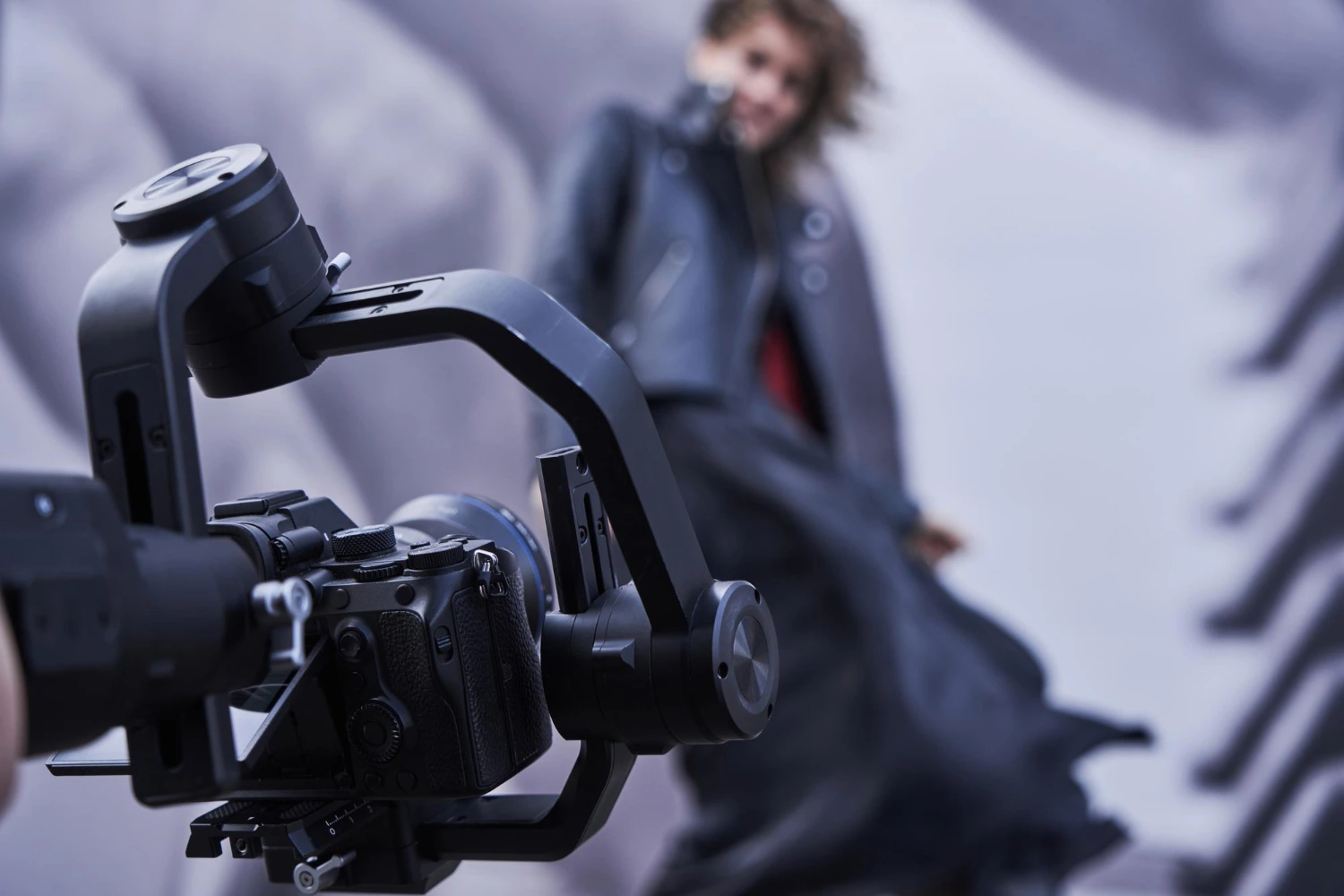
Cinematography comes from the Greek words for “movement” and “writing” — it literally means writing with movement. In practice, it refers to the complete visual design of a film, including lighting, camera placement, lens selection, color, and motion.

It is not just “pointing a camera at something.” Cinematography is a discipline that requires understanding how visual information translates into emotion, narrative clarity, and audience experience.

What is Cinematography

What Does a Cinematographer Do

A cinematographer, also called a director of photography or DP, is responsible for every visual element that appears on screen. They work directly with the director to translate the script into a visual language the audience can feel without thinking about it.

What is Cinematography

Lighting Design

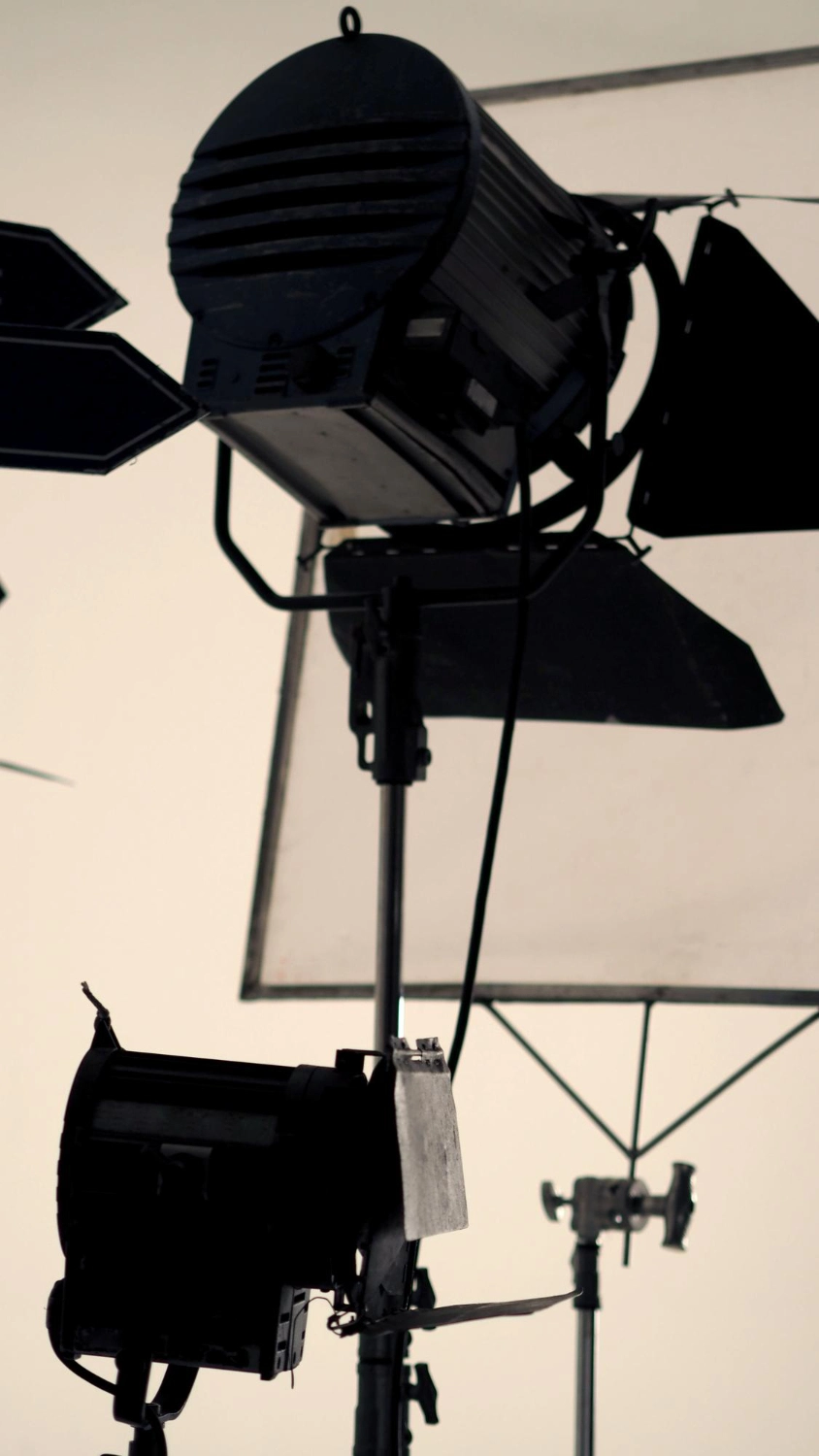
The cinematographer designs the entire lighting setup for each scene. This includes choosing the quality of light (hard or soft), the direction it comes from, and the color temperature. Lighting is one of the most powerful tools in cinema because it shapes mood before a single word is spoken.

What is Cinematography

Camera Operation and Placement

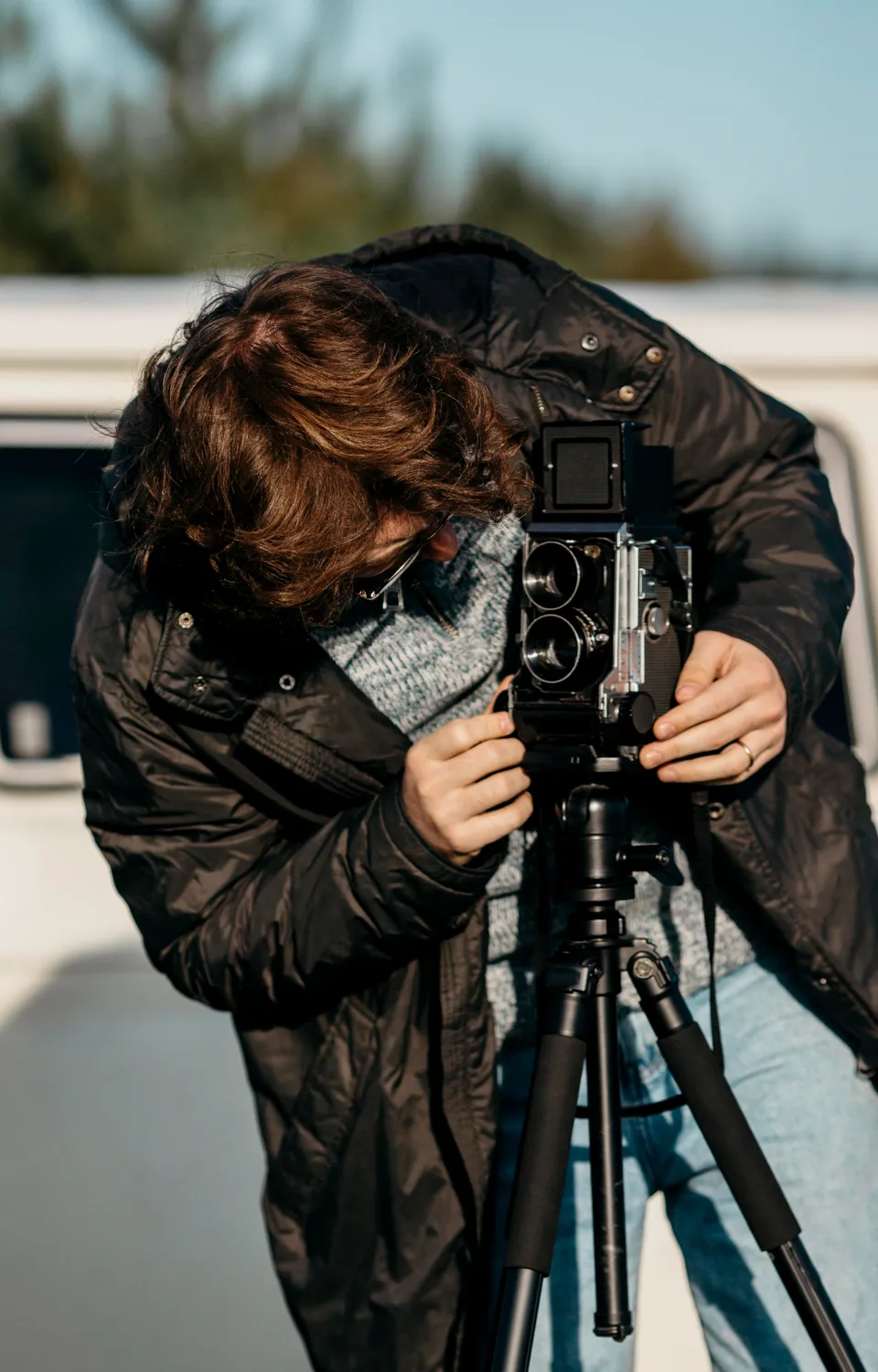
The DP decides where the camera sits in relation to the subject, how close or far, and at what angle. These choices communicate power dynamics, emotional intimacy, and spatial relationships between characters. A low angle makes a character look dominant; a high angle makes them look small or vulnerable.

What is Cinematography

Lens and Exposure Choices

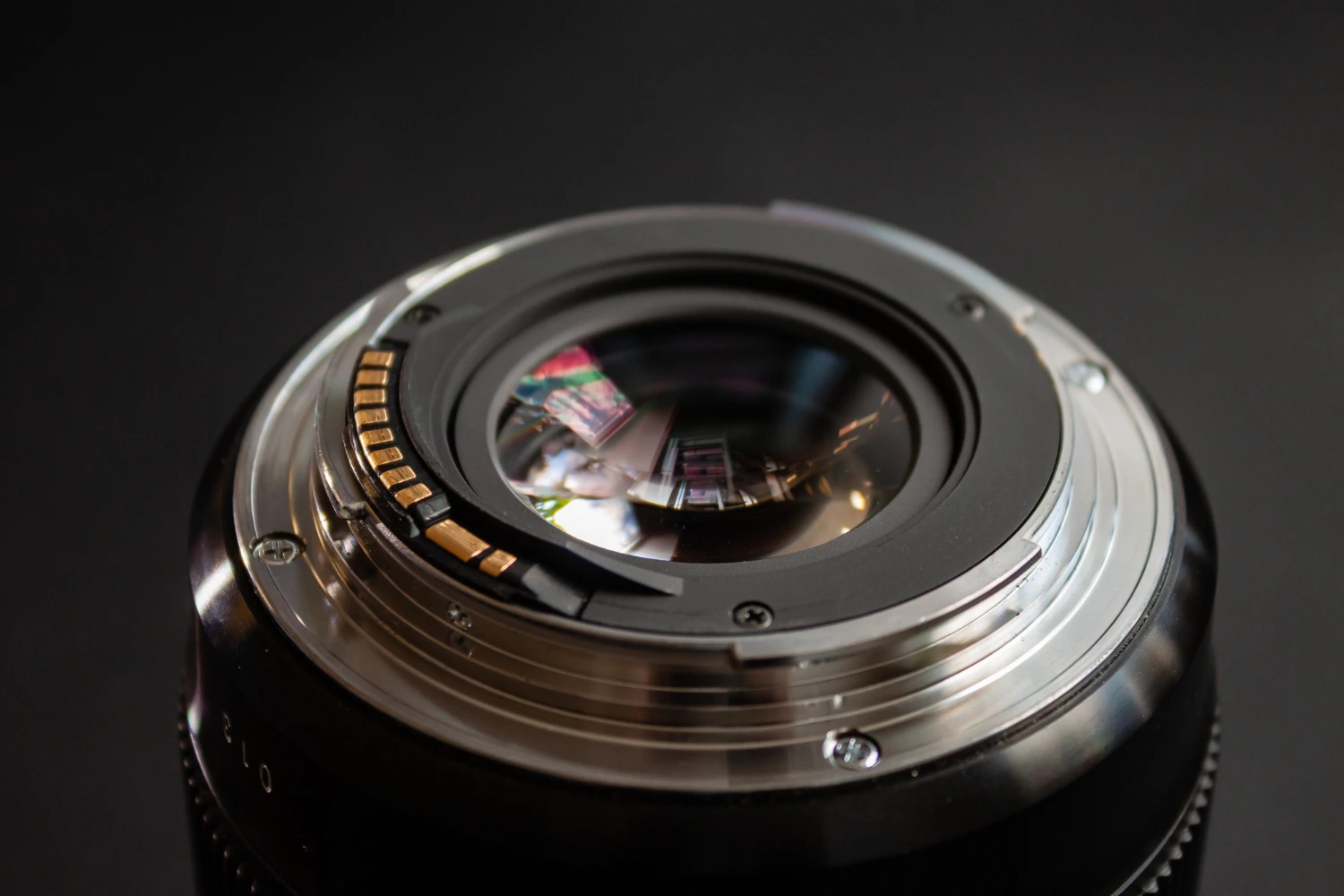
Choosing a lens is not a technical footnote — it changes the entire character of the image. Wide lenses distort perspective and create a sense of immersion. Long lenses compress space and isolate subjects. The DP also controls exposure, deciding how much light hits the sensor or film stock to achieve the desired look.

Cinematography Techniques That Shape Every Film

Exposure controls how bright or dark the image appears. Depth of field determines how much of the frame is in focus, which guides the viewer’s attention. Composition — where subjects are placed in the frame — follows principles like the rule of thirds or deliberate symmetry to create visual balance or tension.

Color grading, which happens in post-production, is also part of the cinematographer’s domain. The DP often works closely with the colorist to ensure the final look matches the creative intent established on set.

What is Cinematography

Cinematography vs Videography

These two terms get used interchangeably, but they describe very different things.

What Cinematography Covers

Cinematography is a craft applied to narrative storytelling — feature films, prestige television, short films, and any project where the image carries emotional and dramatic weight. The cinematographer works as part of a large creative team and makes decisions that serve the story first.

What Videography Covers

Videography typically refers to the single-operator capture of real-world events: weddings, corporate videos, live performances, news footage. A videographer prioritizes documentation over visual storytelling. The goal is to capture what happened, not to construct a specific emotional experience.

Where the Line Gets Blurry

High-end commercial production and music videos often require cinematic-level craft even though the format is not a traditional film. In those cases, the distinction becomes more about budget, crew size, and creative intent than job titles. The techniques overlap — what separates them is the level of deliberate control applied to every frame.

Elements of Cinematography

Cinematography is built on a set of core elements that every working DP understands deeply. These elements work together — changing one always affects the others.

Image Alignment 300x200

Lighting

Lighting is the foundation of the cinematic image. Without control of light, no other element matters.

Image Alignment 300x200

Composition

Composition is the arrangement of visual elements within the frame. It determines what the audience looks at first and where their eye travels.

Image Alignment 300x200

Camera Movement

How the camera moves through space tells the audience how to feel about what they’re seeing. A slow push in builds tension. A handheld follow creates intimacy. A locked-off static frame creates distance or formality.

Image Alignment 300x200

Color

Color carries emotional associations that viewers respond to instinctively. Warm colors suggest safety, energy, and passion. Cool colors suggest isolation, calm, or dread.

Camera Movement in Film

Cinematography for Beginners

If you’re starting out in cinematography, the most important thing to understand is that you are learning a visual language — and like any language, it takes time, practice, and immersion to develop fluency.

Start with composition. Before you touch exposure settings or lighting rigs, train your eye to see frames. Watch films with the sound off. Pay attention to where subjects are placed, how much space surrounds them, and what the camera angle communicates about their status in the scene.

Then study light. Natural light is your best teacher. Observe how sunlight changes through the day, how shadows fall, and how overcast light differs from direct sun. Once you can see light accurately, you can begin to control it. From there, technical knowledge — aperture, shutter speed, ISO, color temperature — becomes the vocabulary that lets you execute what your eye already understands.

These platforms like https://essayservice.com/write-my-annotated-bibliography simplify academic writing by handling research, drafting, and editing to ensure each essay is polished and ready for submission.

What is Cinematography