
Cinematography careers are among the most competitive and creatively demanding paths in the film industry. The work is technically complex, physically demanding, and requires years of accumulated experience before most practitioners reach the roles they’re working toward. Understanding how the industry is structured, what the roles pay, and how professionals enter the field is essential before you commit to this path.
The term “cinematography jobs” covers a wide range of positions, from entry-level camera department roles to the director of photography at the top of the hierarchy. Each level has its own responsibilities, earning potential, and skill requirements.
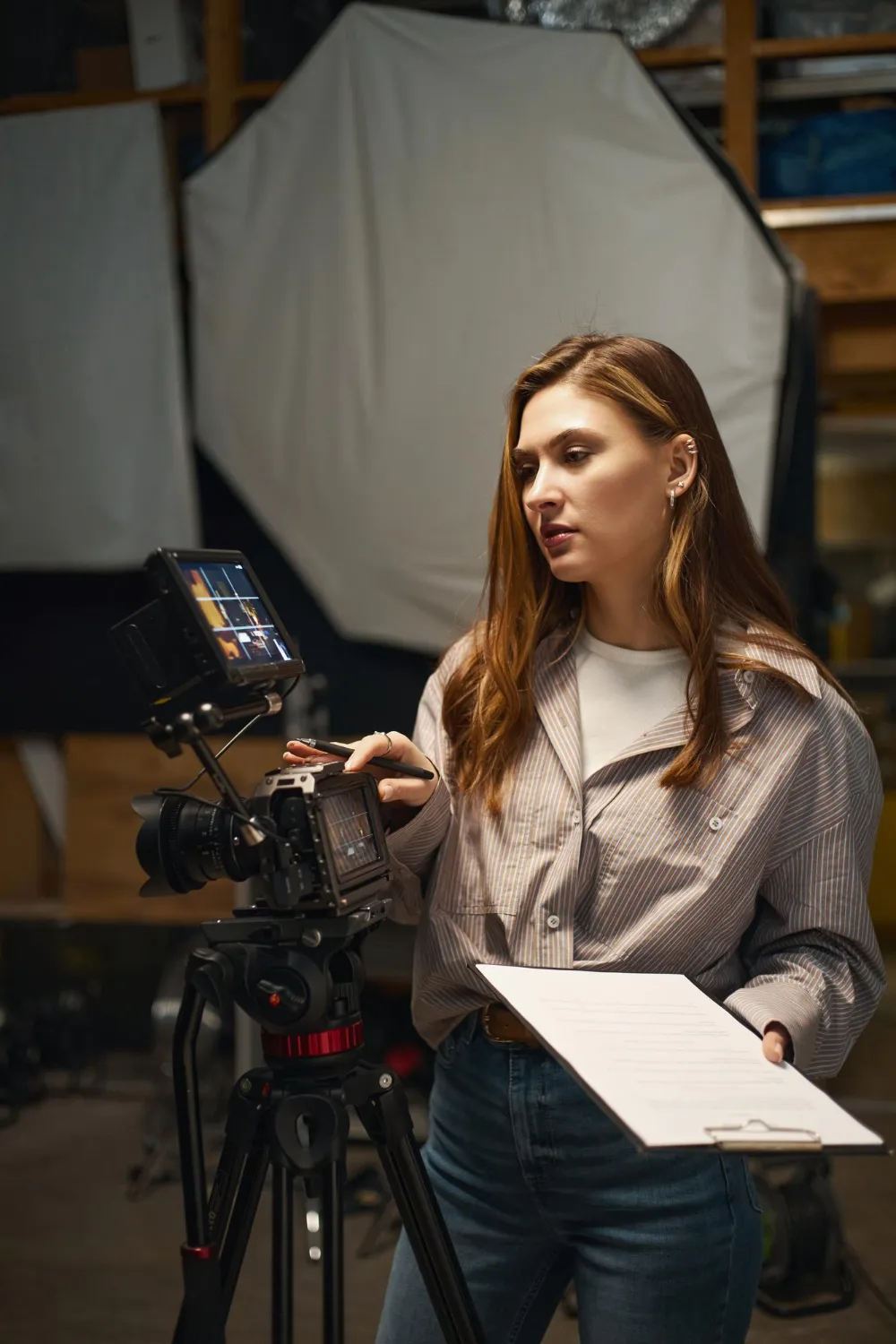
The Career Hierarchy in the Camera Department
Every professional film production organizes its camera department in a clear hierarchy. Knowing where you enter and how you move up is the foundation of any realistic career plan.

Director of Photography
The director of photography, or DP, leads the entire camera and lighting departments. They are responsible for the visual design of the production and report directly to the director. A DP on a major studio feature earns between $5,000 and $15,000 per day depending on the project’s budget and their track record. On lower-budget independent productions, day rates drop significantly, but the creative opportunities often accelerate a DP’s development faster than well-paid but creatively constrained work.
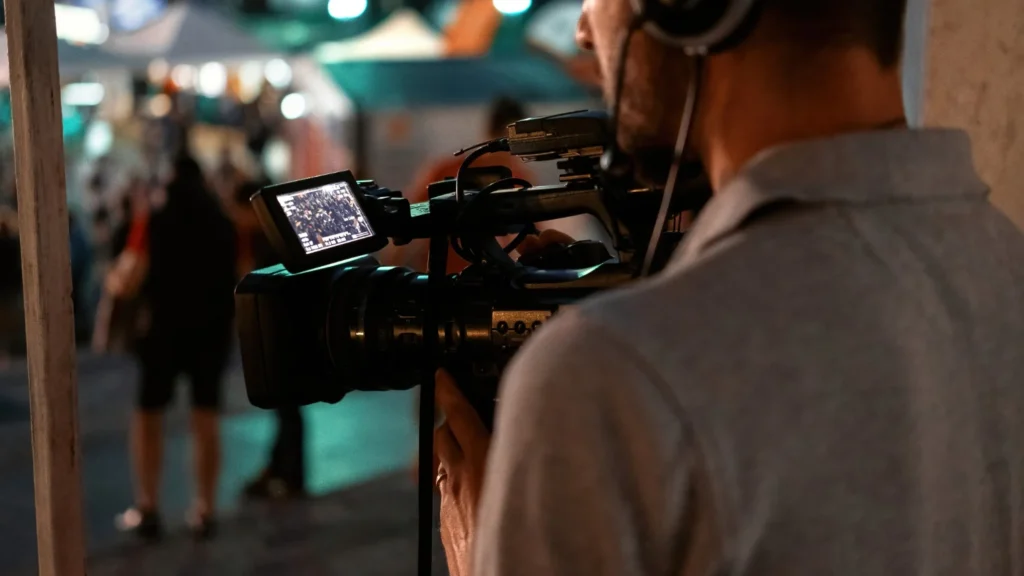
Camera Operator
The camera operator physically controls the camera on set, executing the framing and movement decisions made by the DP. They are the primary point of contact between the DP’s vision and the physical operation of the equipment. Camera operators on union productions in the United States typically earn between $600 and $1,200 per day depending on the market and project type.

First Assistant Camera
The first AC, also called the focus puller, is responsible for maintaining focus throughout every shot. This is one of the most technically demanding positions in the camera department. A missed focus on a critical take can destroy an otherwise excellent performance. Strong first ACs are in consistent demand and typically earn between $400 and $900 per day on union projects.
Cinematographer Salary: What the Numbers Look Like
The cinematographer salary range is exceptionally wide because the industry itself spans from student productions and no-budget independents to hundred-million-dollar studio films.
Entry-level camera department work — loader, second assistant camera — pays between $150 and $400 per day on union productions. These positions are where most professionals begin. The work is unglamorous but builds the technical foundation and the professional relationships that determine how quickly someone advances.
Mid-level DPs working regularly in television, commercial production, or independent features typically earn between $1,500 and $4,000 per day. At this level, the work is consistent enough to sustain a full-time career. Top-tier DPs working on major studio features or prestige television earn substantially more, with some reaching $20,000 or more per shooting day on the largest productions.

How to Become a Cinematographer
There is no single path into cinematography, but there is a clear pattern that most working professionals share. They spent years working in lower camera department positions, watching experienced DPs make decisions, and developing their own visual sensibility through constant practice.

Formal Education
Film schools offer structured training in cinematography techniques, access to equipment, and the opportunity to build a reel before entering the professional market. Programs at schools like the American Film Institute, the National Film and Television School, or NYU’s Tisch School offer industry-recognized credentials. The value of formal education is not the degree itself — it is the network you build and the time you spend practicing craft in a supported environment.

Working Your Way Up
The most common path into professional cinematography is through the camera department. Starting as a production assistant or camera loader, then advancing to second assistant camera, first assistant camera, and eventually camera operator gives you the technical knowledge and on-set experience that no classroom can replicate. This path takes time — often a decade or more before someone consistently works as a DP — but it produces some of the most technically grounded cinematographers in the industry.

Building a Portfolio
A reel is your primary professional asset as a cinematographer. It should show range, demonstrate control of light and composition, and prove that you can execute ideas rather than just describe them. Short films, music videos, and commercial work all contribute to a reel. The quality of the work matters more than the quantity — three exceptional pieces outweigh twenty mediocre ones every time.
Director of Photography vs Cinematographer: Is There a Difference
The terms director of photography and cinematographer are functionally synonymous in most professional contexts. Both refer to the head of the camera department who is responsible for the visual design of a production. The distinction, where it exists, is largely historical and contextual.
In the studio era, “director of photography” was the standard title in Hollywood. “Cinematographer” was used more broadly across international cinema. Today, working professionals use both interchangeably. Some prefer “cinematographer” because it emphasizes the creative and artistic dimension of the role. Others prefer “director of photography” because it makes explicit the leadership function within the camera and lighting departments. Neither title carries more professional weight — what matters is the work attached to it.
Cinematographer Skills You Need to Develop
The technical skills required for cinematography are well-defined. You need a thorough understanding of camera systems, lenses, lighting instruments, and grip equipment. You need to read and interpret light accurately, expose correctly in difficult conditions, and communicate complex visual ideas to a crew under production pressure.
Technical Knowledge
Understanding how different camera systems handle exposure latitude, color science, and resolution matters because productions make decisions based on those factors. A DP who cannot speak with authority about the tools they’re working with loses credibility with the crew quickly.
Visual Communication
Cinematographers spend as much time communicating ideas as they do operating equipment. You need to translate abstract emotional intentions into specific, actionable instructions for your crew. You also need to work closely with directors, some of whom are highly visual and others who think primarily through character and dialogue.
Adaptability Under Pressure
Film sets are environments where plans change constantly. Light shifts, locations become unavailable, schedules compress. The ability to maintain creative standards while adapting to practical constraints is one of the most underrated skills a cinematographer can develop.